South Korea launches Arctic container trial voyage
The PanStar Acro has commenced a trial voyage via the Northern Sea Route, carrying 737 TEUs as South Korea evaluates the commercial feasibility of Arctic container services.
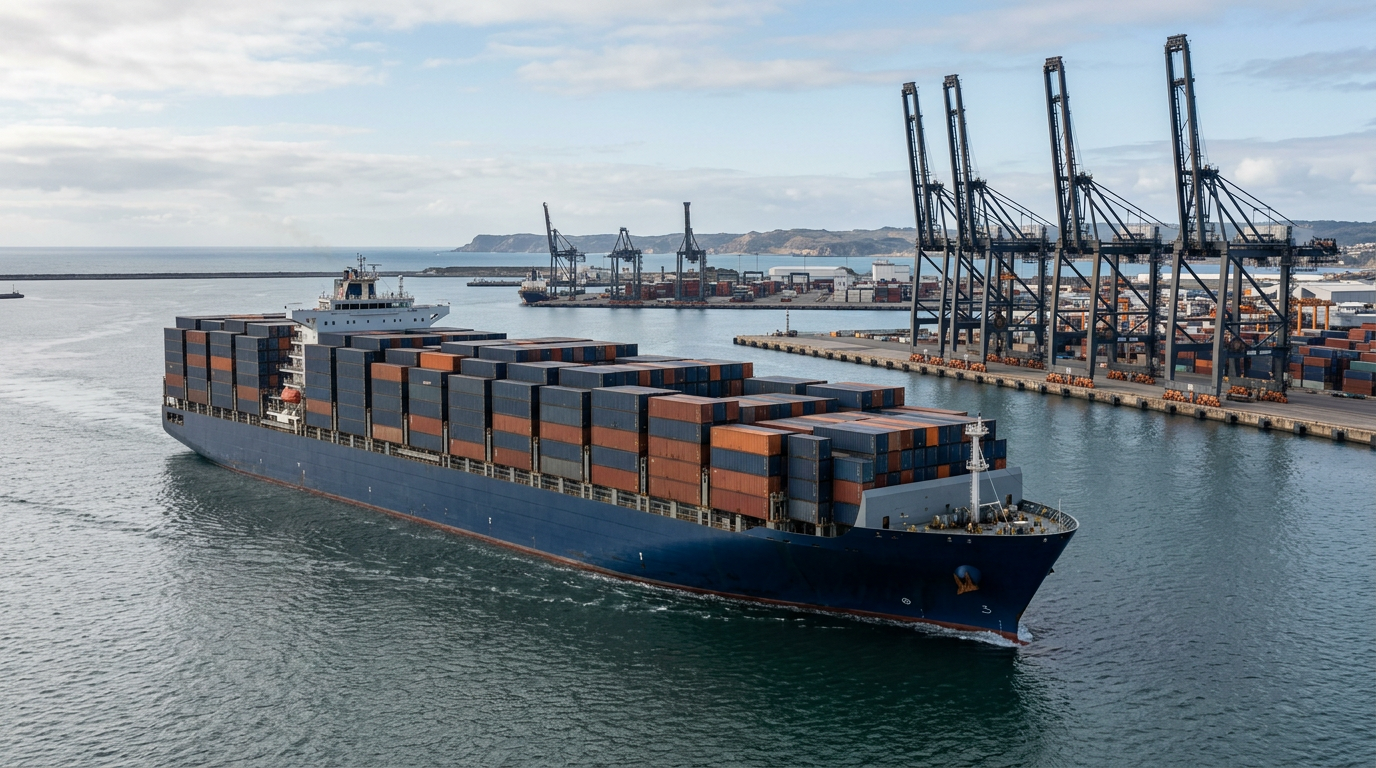
South Korea has launched its inaugural commercial container trial voyage via the Arctic, gCaptain reported. The 2,758-TEU PanStar Acro departed Busan on 22 August 2026, carrying 737 TEUs of cargo, which fell short of the 1,300 TEU target set by the Ministry of Oceans and Fisheries. Including approximately 100 empty containers, the vessel is operating at roughly 30% of its nominal capacity. The cargo consists of auto parts, used vehicles, and chemical products. The ministry attributed the lower booking volume to the limited time available to secure cargo following the vessel's preparation for Arctic operations.
The vessel entered Arctic waters on 31 August 2026 and is navigating along the Russian northern coast. The voyage has encountered more difficult conditions than anticipated, necessitating adjustments to speed and course to manage sea ice. Consequently, the expected arrival at Felixstowe has been pushed back from 9 September to approximately 14 September. The route also includes planned port calls at Rotterdam and Gdansk. The trial aims to evaluate the commercial viability of the Northern Sea Route, which is approximately 4,000 nautical miles shorter than the Suez Canal path, potentially reducing transit times by 10 to 14 days.
The PanStar Acro, previously named HMM Mombasa, was built in 2011 and acquired from HMM for this deployment. The Korea Shipowners’ Association is providing financial backing for the trial, offering more than $2 million for the completion of the one-way transit. An additional $700,000 is available if the return voyage carries over 2,000 TEUs. Officials intend to use the data from this experiment to assess fuel consumption, operating costs, and schedule reliability, as well as to identify suitable cargo types and customers for potential future services.
This trial represents a strategic effort by South Korea to establish Busan as a hub for Asia-Europe traffic. The government has stated its ambition to develop regular Arctic container services by 2030. While this voyage is primarily an operational test, it occurs as other nations also explore the route. China has already initiated seasonal container services this summer, with companies such as Sea Legend and NewNew Shipping linking Asian ports with northern Europe and Russia. These developments highlight the growing industry interest in utilizing the Northern Sea Route as a seasonal corridor for containerised trade.
The current cargo utilisation rate of 27% for the PanStar Acro remains significantly below the 85% to 90% levels typically seen on established east-west trade lanes. Despite the initial shortfall in volume, representatives from the Ministry of Oceans and Fisheries have described the successful securing of cargo and the execution of the marketing effort as meaningful for a first-time voyage. The ministry plans to continue analysing the performance of the route to determine if it can offer genuine commercial savings compared to traditional maritime passages, balancing the operational challenges of Arctic navigation against potential transit efficiencies.
Related coverage