Ports & Terminals
Alkagesta launches truck-to-vessel marine fuel supply in Romania
Alkagesta has commenced truck-to-vessel bunkering services in Constanța, marking a strategic expansion of its distribution network in the Black Sea region.
Vessel segment
Crude, product and chemical tankers moving petroleum, refined products and liquid chemicals.
Section coverage: Tankers
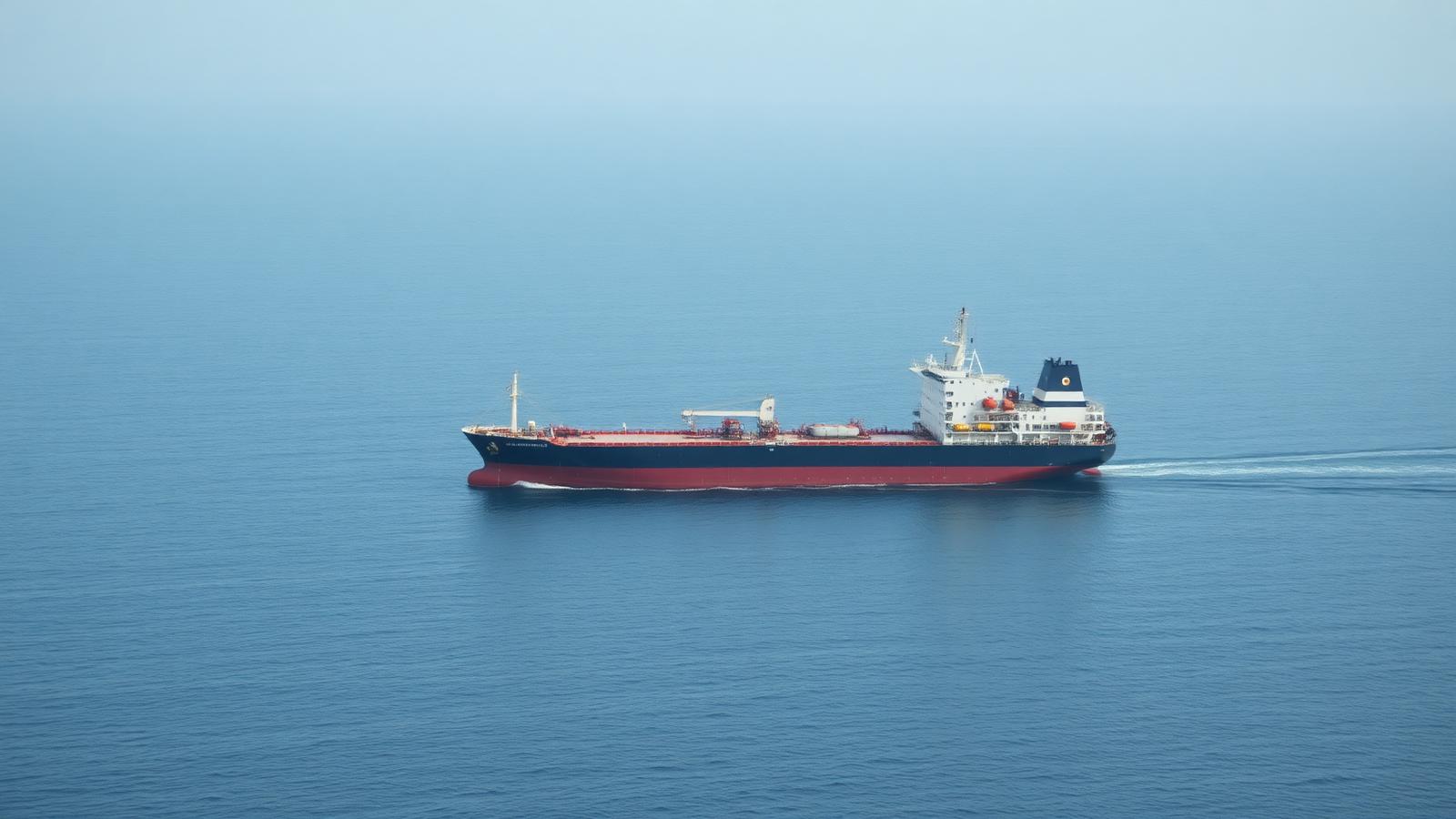
Alkagesta has commenced truck-to-vessel bunkering services in Constanța, marking a strategic expansion of its distribution network in the Black Sea region.
Volare Shipping, a Trafigura Group entity, has begun trading on Euronext Growth Oslo following a USD 500 million private placement to support its modern VLCC fleet operations.
Scorpio Tankers has committed $415.6m to four new VLCC and LR2 tankers while divesting older tonnage, continuing its fleet renewal programme.

European ultra-low sulfur diesel markets are experiencing supply constraints driven by refinery outages and Rhine River logistical disruptions, keeping prices high as inventories remain below historical averages.

Alkagesta attended the Angola Oil & Gas Conference & Exhibition 2026 in Luanda to explore commercial opportunities within African energy logistics and supply chains.
Alkagesta CEO Orkhan Rustamov outlines strategies for managing record-high freight costs and building supply chain resilience in a recent industry opinion piece.

Alkagesta has expanded its Singapore operations, securing storage at Horizon Terminal and reaching a 5% share of the local marine fuels market.
Alkagesta representatives attended the GTR Asia 2026 conference in Singapore to strengthen financial partnerships and review the expansion of its regional marine fuel and naphtha trading operations.
Commodity trader Alkagesta has achieved ISCC CORSIA certification, enabling the supply of sustainable aviation fuel to meet international emissions standards.
Alkagesta has detailed its 2025 strategic milestones, including the launch of a biofuels desk, entry into the metals market, and expanded logistics capabilities in West Africa and Singapore.
Alkagesta is strengthening its position in the European biofuels sector by providing operational and compliance support to connect niche feedstock suppliers with mainstream end users.
Malta-based commodity and bunker firm Alkagesta has joined the International Bunker Industry Association as a corporate member to support its ongoing expansion in marine energy.
Commodity trader Alkagesta is leveraging global banking partnerships and expanded storage capacity to position Malta as a central hub for international trade finance and logistics.
Alkagesta Asia has reached a monthly volume of 200,000 metric tonnes in Singapore, supported by new storage infrastructure and a USD 1.2 billion global trade finance platform.
Alkagesta is expanding its role in the renewable fuels market by integrating commodity trading and structured finance to support the global circular economy.

Maltese-based Alkagesta has evolved from a regional bunkering provider into a global commodity trading house, managing flows of petroleum, fertilizers, and biofuels across 42 countries.
Malta-based commodity trader Alkagesta has finalised a $15 million revolving inventory credit facility with FIMBank Plc, bringing its total credit capacity to over $1 billion.

Alkagesta has reported sustained growth in its bunkering operations in Singapore, reflecting the company's ongoing expansion in a key global maritime fuel hub.
Alkagesta has secured a strategic agreement to supply conventional and sustainable aviation fuel through the NATO-operated Central Europe Pipeline System, with deliveries set to commence this spring.

Malta’s bunkering sector is undergoing a structural transition as new environmental regulations drive demand for cleaner fuels and test the flexibility of existing terminal infrastructure.
Singapore’s bunker market has shown structural resilience following the February 2026 Hormuz supply disruption, as Alkagesta emphasises the critical role of infrastructure and supply chain control.
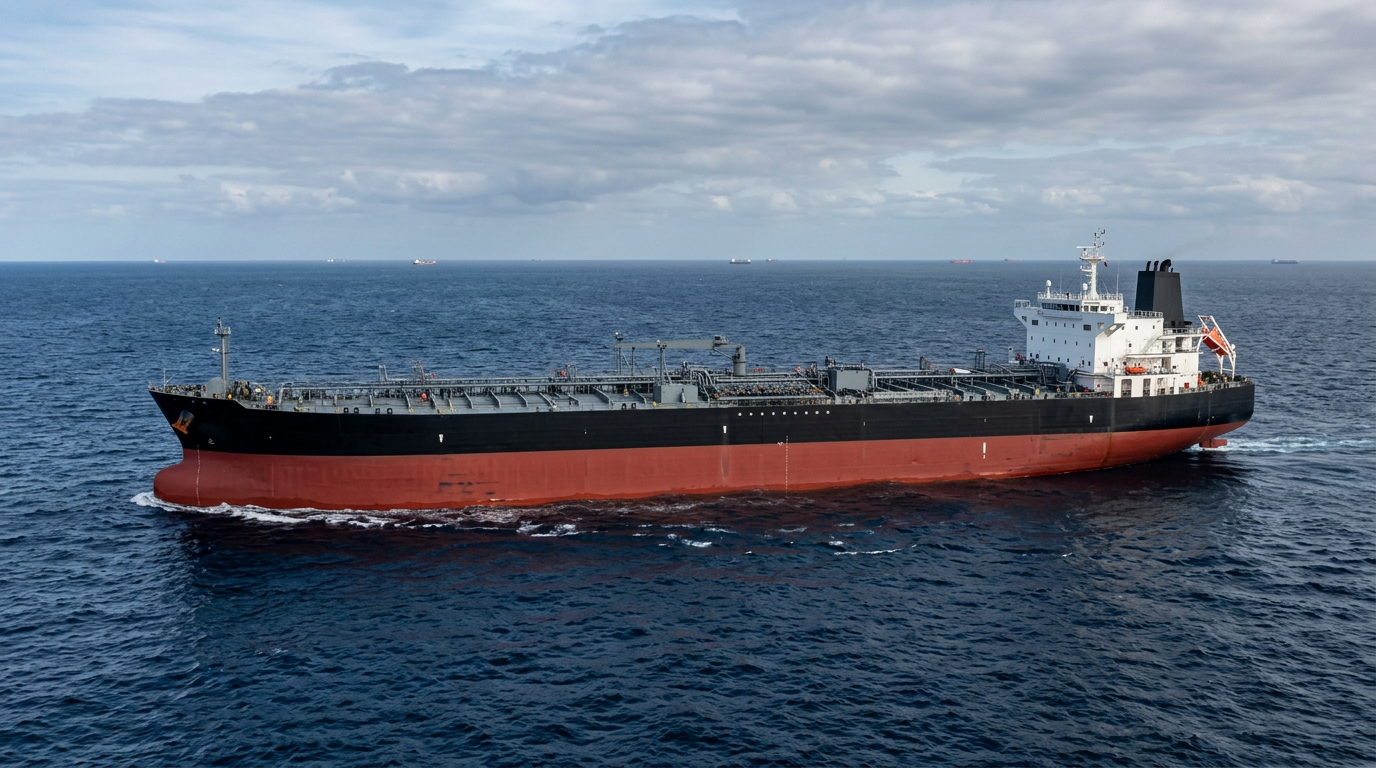
Capital Tankers Corp. has posted a $92.9 million net profit for the second quarter of 2026, supported by high TCE earnings and a significant expansion of its modern tanker fleet.
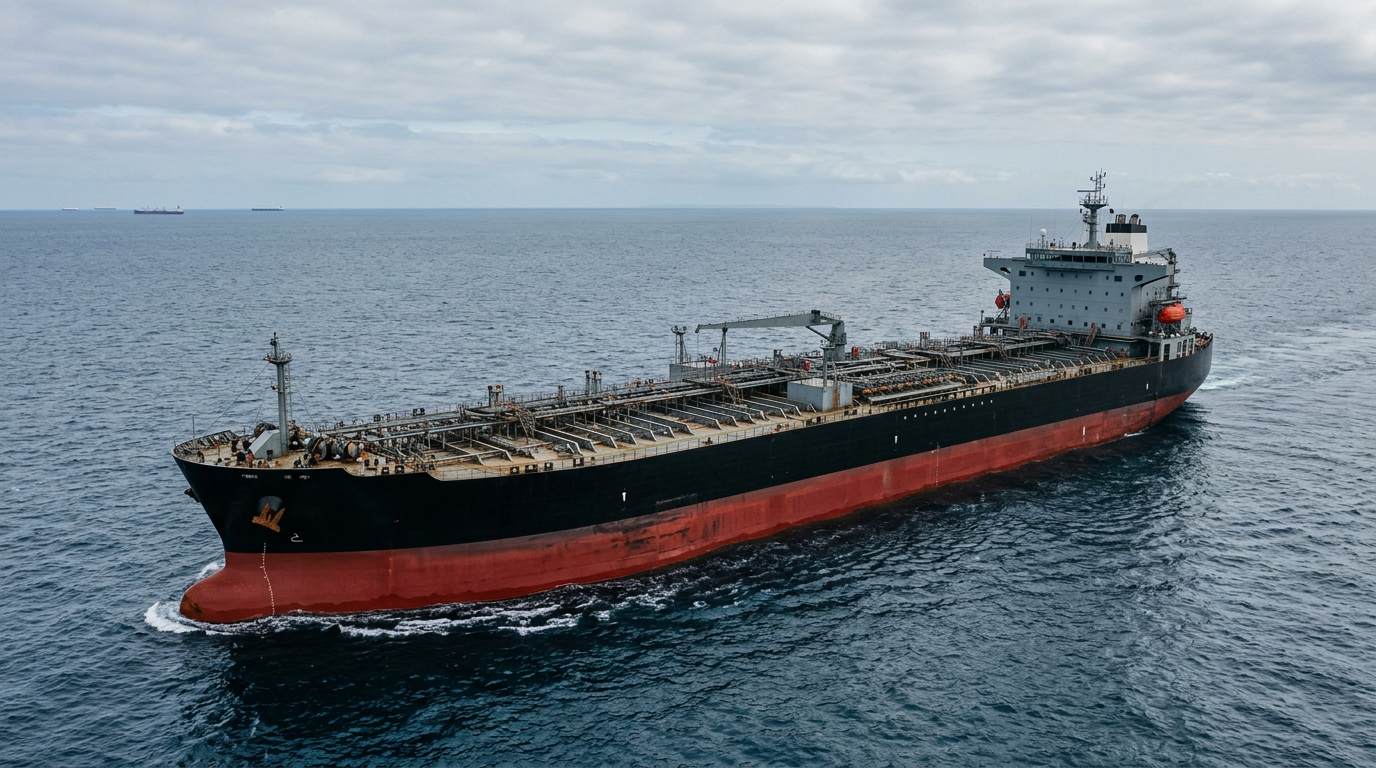
CF Industries, Trafigura and TFG Marine have signed a memorandum of understanding to develop a supply chain for low-carbon ammonia as a marine fuel, initially targeting the U.S. Gulf Coast and Northwest Europe.
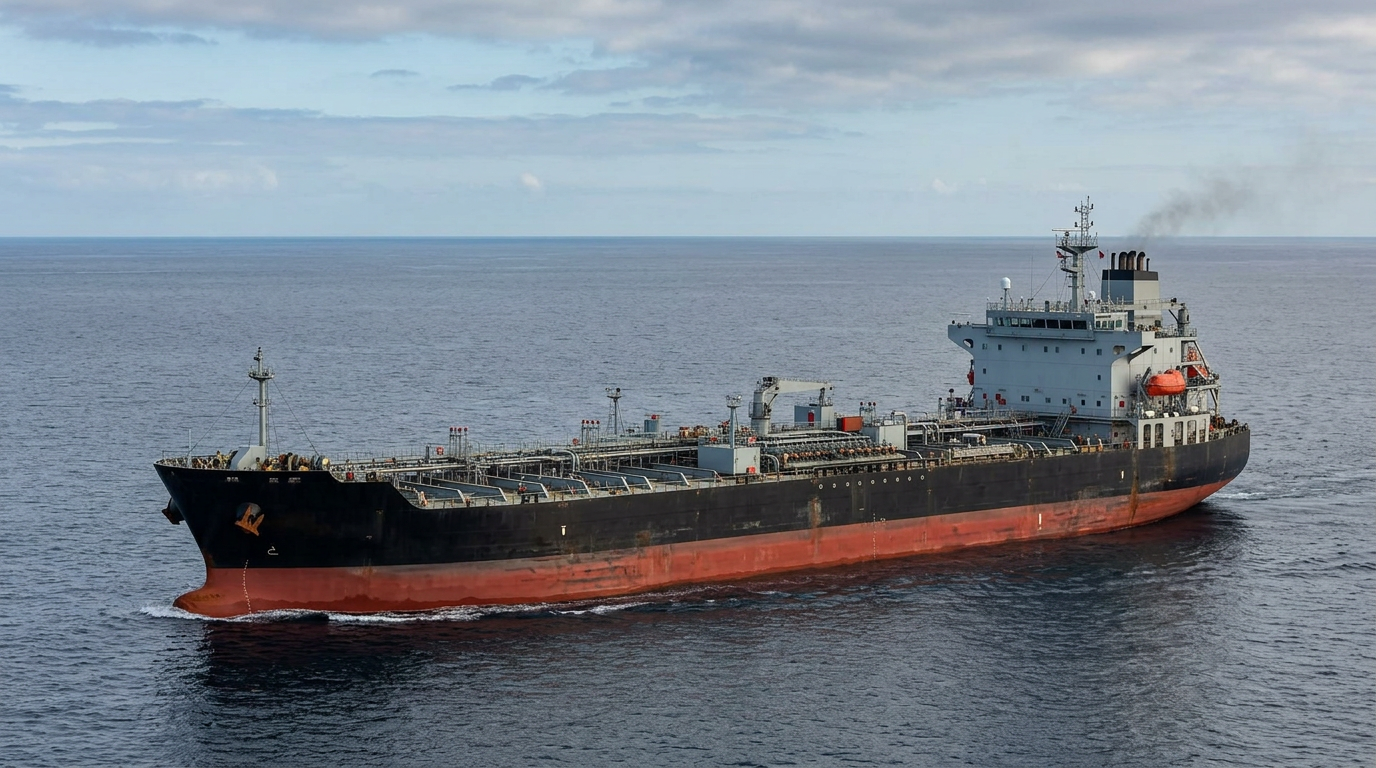
The European gasoil market is experiencing acute supply shortages and logistical bottlenecks, driving up prices and forcing a reorientation of regional trade routes.
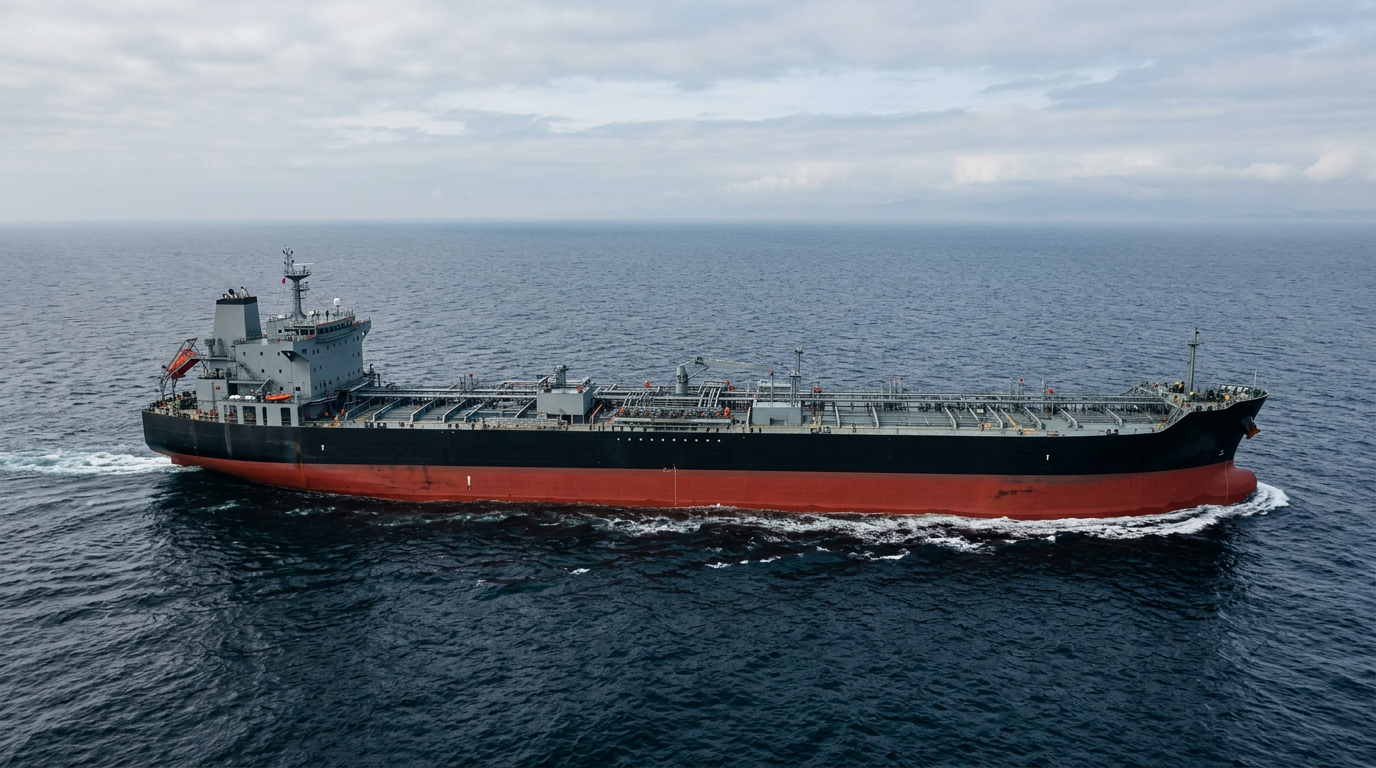
Geopolitical tensions and record-low Rhine water levels are disrupting global shipping, with transit volumes falling and inland barge distribution facing a near-total standstill.
Tight supply and logistical constraints in Northwest Europe have impacted gasoline trade flows, with market participants looking toward winter-specification transitions to ease regional bottlenecks.
Alkagesta has posted record first-half 2026 revenue of $3.5 billion, supported by a 53% increase in trading volumes and strategic expansions into aviation fuel and increased storage capacity.
Alkagesta has gained access to the Argus Open Markets window for European biodiesel, HVO and UCO, enhancing its role in sustainable fuel price discovery.
Alkagesta’s August market analysis examines how stalled diplomatic efforts and record-low Rhine water levels are impacting global fuel availability and pricing.
Alkagesta has released its 1H 2026 Performance Update, highlighting a strategic entry into crude oil trading with two Suezmax cargoes and continued growth in its Singapore marine fuel distribution business.