Shipping faces logistical gridlock amid Hormuz and Rhine constraints
Geopolitical tensions and record-low Rhine water levels are disrupting global shipping, with transit volumes falling and inland barge distribution facing a near-total standstill.
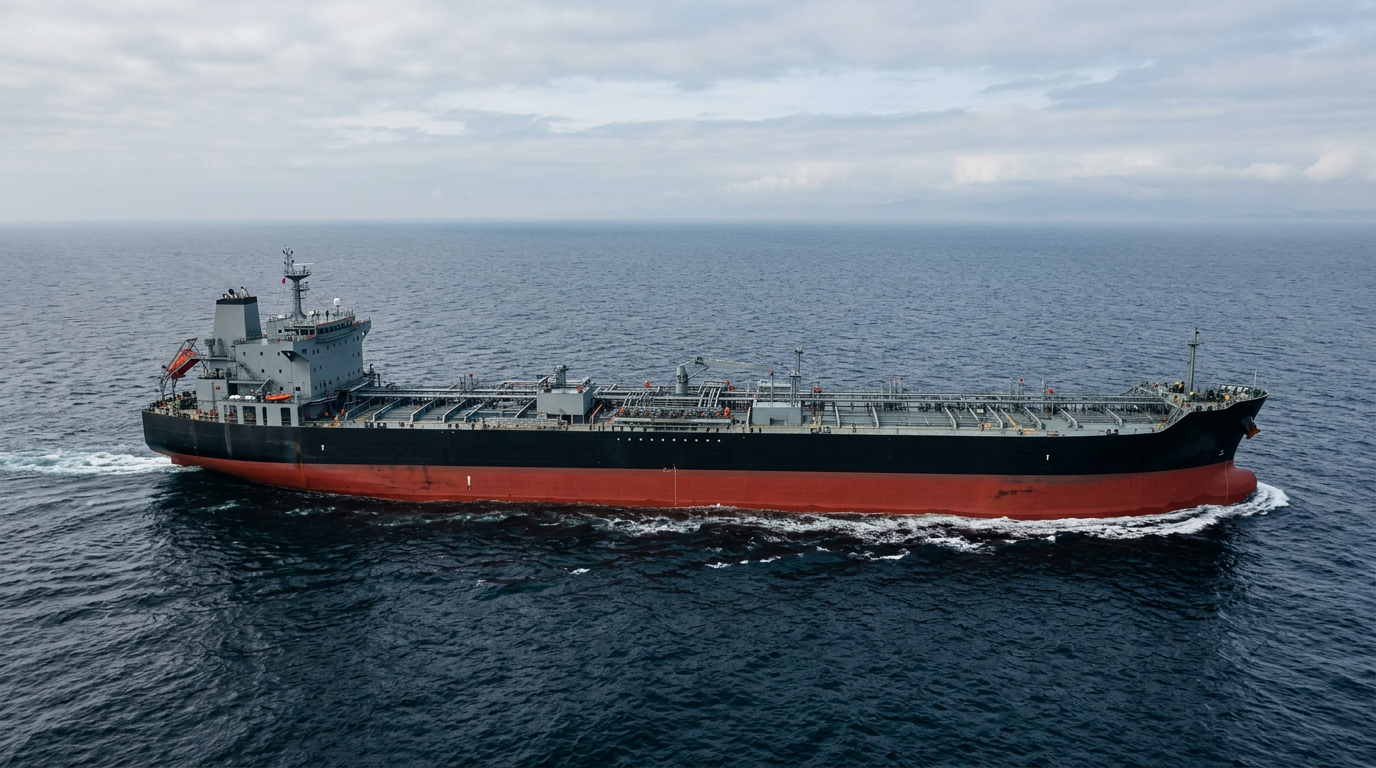
Global shipping is facing significant logistical constraints due to geopolitical tensions and inland waterway disruptions, Alkagesta reported. Diplomatic efforts to reopen the Strait of Hormuz have stalled, leading to a decline in transit volumes. On August 9, transits through the strait fell to 13 vessels following an incident involving an ADNOC-linked tanker. Simultaneously, traffic through the Bab al-Mandab reached a 2026 low of 16 ships earlier in the week. These developments have created a challenging environment for vessel operations, with analysts highlighting that fuel access, rather than price, has become the primary risk factor for the global shipping industry.
In Europe, inland logistics are under severe pressure as Rhine water levels at the Kaub chokepoint dropped to 16 cm on August 10. Forecasts suggest levels could reach 4 cm by August 14, which would effectively halt barge traffic. Current conditions have already forced barges to operate at 15% to 20% of their capacity, limiting loads to approximately 250 mt. This situation has created a structural risk for inland distribution, potentially leading to a disconnect between Northwest and Central European markets, while trapping fuel oil stocks within the ARA hub due to the inability to move product efficiently.
Supply dynamics in Singapore have shown a notable shift, with Middle Eastern fuel oil imports reaching 328,878 mt by July 29, the highest volume since March. This influx, primarily from Iraq, Saudi Arabia, and the UAE, contributed to an 8% rise in onshore commercial heavy distillate stocks, which reached 19.58 million barrels by August 5. Despite these higher inventory levels, fuel oil outflows from the hub declined by 57.4% to 150,139 mt. Shipments to China were particularly affected, falling to 30,001 mt as market participants navigated changing regional demand and supply constraints.
Demand for bunker fuel in Singapore has also faced downward pressure, with July sales estimated to have fallen 3.7% month-over-month to 4.44 million mt. Elevated downstream premiums have discouraged demand and reduced average fill rates per call, prompting shipowners to redirect bunkering inquiries to alternative ports such as Zhoushan and Port Klang. This trend reflects broader market dynamics where backwardation and price spreads influence vessel routing. As the industry navigates these complexities, the scarcity of low-sulfur blending components is expected to keep Singapore Hi-5 spreads supported above $200/mt throughout the third quarter of 2026.
Northwest European markets remain well-supplied with HSFO through arbitrage from the Americas, with 394,441 mt expected to discharge in August. However, VLSFO supplies remain tight as refiners prioritize high-margin diesel production over fuel oil blending components. This yield strategy, combined with a shift toward sourer crude slates in the Mediterranean, has limited local production of low-sulfur grades. While European bunker demand has entered a seasonal lull, high flat prices have generally disincentivized consumption. Market participants are now bracing for a potential total breakdown in Rhine-linked distribution, which is expected to impact regional barge pricing and coastal values.