World’s first ammonia-powered dry bulk carrier ready for maiden voyage
Belgian shipowner CMB.TECH has completed sea trials for the Mineral Europa, the world's first ammonia-powered dry bulk carrier, marking the start of a 21-vessel decarbonisation programme.

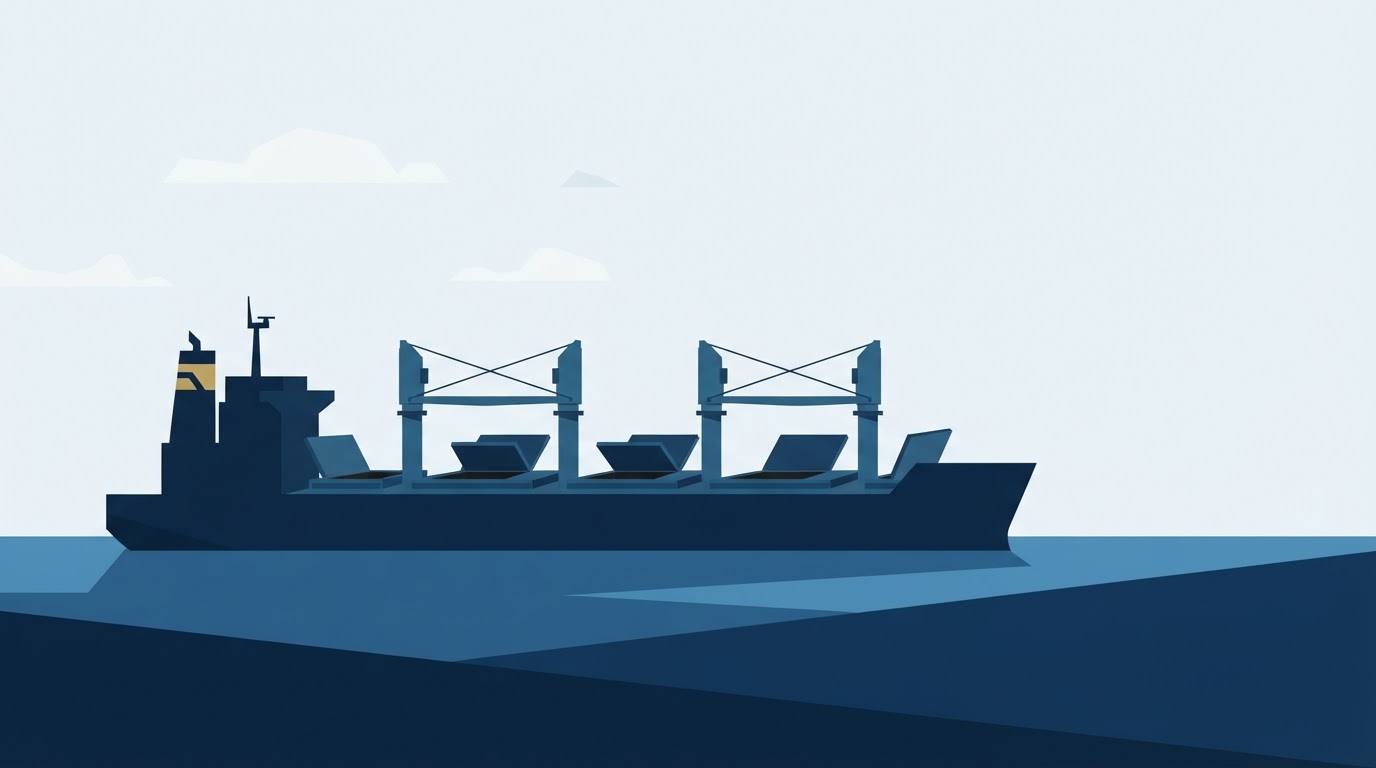
The Mineral Europa, identified as the first dry bulk carrier powered by ammonia, has finished its sea trials and is preparing for its maiden voyage to Australia. Navingo BV reported that the vessel was constructed at the Qingdao Beihai Shipyard in China. Owned by the Belgian firm CMB.TECH, the ship serves as the initial vessel in a wider series of ammonia-fuelled newbuildings planned by the operator. The vessel is fitted with a dual-fuel engine, allowing it to utilise either ammonia or conventional marine fuels for its operations.
This delivery represents the start of an extensive fleet expansion programme for CMB.TECH. The company has announced plans to bring 21 ammonia-powered vessels into service by 2029. This orderbook consists of 18 dry bulk carriers, two chemical tankers, and one container vessel. According to the company, the majority of these ships are scheduled for delivery within the coming nine months. This initiative highlights a significant shift towards alternative fuel adoption within the bulk carrier sector as owners seek to meet decarbonisation targets.
Alexander Saverys, the chief executive of CMB.TECH, described the completion of the Mineral Europa as a significant milestone for the organisation and the broader maritime industry. He noted that the project is the result of nearly ten years of development. The company maintains that the deployment of this technology addresses the dual requirements of decarbonising maritime transport and enhancing energy independence. The shipowner views these vessels as a transformative development for the industry, with further units expected to enter service in the near future as part of their ongoing strategy.