GMI expands hydrogen-powered bulker programme to four ships
Norwegian operator GMI Group has doubled its hydrogen-powered bulker programme to four vessels, supported by significant public funding and new cargo contracts.
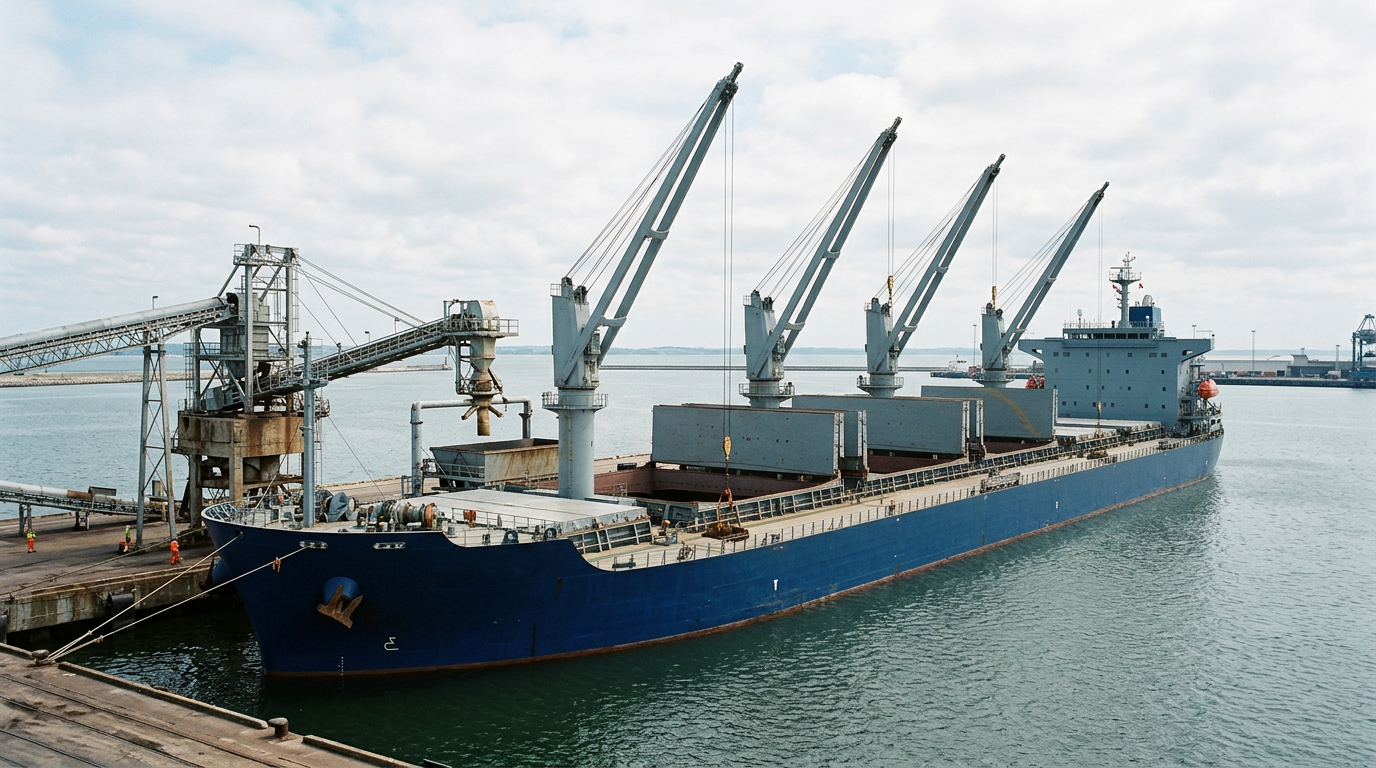
Norwegian operator Green Maritime Infrastructure Group has expanded its hydrogen-powered bulker programme to four vessels, Asia Shipping Media reported. The firm recently ordered two additional newbuilds from India’s Chowgule Shipyard. These latest units are expected to be approximately 3,000 dwt each. They will complement two larger 4,000 dwt bulkers currently being built at the Gelibolu Shipyard in Turkey. The first of these four vessels is scheduled to commence operations along the Norwegian coastline next year. The fleet is designed to utilise compressed hydrogen and fuel-cell propulsion systems to transport construction materials such as asphalt and gravel.
GMI has successfully secured cargo agreements with NordAsfalt and Veidekke to support these operations. While the contract value for the Indian-built pair remains undisclosed, industry estimates suggest a cost exceeding NOK300m per vessel. Total investment for the four-ship programme is estimated to surpass NOK1bn. Public funding remains a significant component of the project's financial structure. The Norwegian agency Enova has provided grants totalling NOK449m for the four committed ships, including NOK137m for each of the vessels being constructed in India and specific grants for the Turkish-built ships.
The project has benefited from shifts in Norwegian public procurement policies. The Norwegian Public Roads Administration has implemented a financial incentive, offering a bonus of NOK7.50 per kg of CO2 avoided for suppliers that utilise low-emission transport for asphalt deliveries. This policy provides cargo owners with a direct economic incentive to favour zero-emission shipping solutions. Furthermore, the agency has earmarked additional funding for two potential future GMI vessels, although final investment decisions for those units are pending. These regulatory developments have been instrumental in advancing the current fleet expansion programme.
Hydrogen supply and bunkering infrastructure are being managed by GreenH. The company is developing a network of sites along the Norwegian coast to support the fleet. The initial bunkering facility is anticipated to be operational in Bodø by 2027, with subsequent sites planned for Kristiansund and Slagentangen in the Oslofjord. The original pair of 4,000 dwt ships, designed by Naval Dynamics, will feature a high-pressure hydrogen system integrated with batteries and electric propulsion. Bureau Veritas is providing classification services for these vessels, which are being constructed to operate under the Norwegian flag.
The GMI Group platform was established last year in Ørsta, consolidating the venture under the leadership of founders Torstein Holsvik and Asgeir Standal alongside various Norwegian investors. Former Aker executive Leif-Arne Langøy currently serves as the primary shareholder with a stake of approximately 27%. The technical integration for the hydrogen systems on the initial vessels is being handled by eCap Marine, with PowerCell contracted to supply 14 Marine System 225 units. The ongoing development of this fleet highlights a broader industry shift towards hydrogen-based propulsion for coastal bulk shipping operations in Norway.